American political history is filled with fascinating personalities, unexpected stories, and little-known facts that go far beyond what is typically taught in textbooks. While many past politicians are remembered for their policies and leadership, their personal lives, quirks, and unusual decisions often reveal a more human and intriguing side of history. For more insightful stories and historical perspectives, visit https://academydenevaeh.com/.
Politics Wasn’t Always Their First Career
Many early American politicians didn’t begin their lives in politics at all.
Several prominent figures had careers in:
- Law and military service
- Farming and land ownership
- Journalism and writing
For example, many presidents and lawmakers were deeply involved in agriculture, reflecting the country’s early economic foundation. Others gained influence through military achievements before transitioning into public office.
Some Leaders Had Unusual Habits
Behind their formal public image, many politicians had surprisingly unique personal habits.
Some were known for:
- Strict daily routines and rituals
- Unusual dietary preferences
- Distinct hobbies like collecting rare items or writing poetry
These habits often helped them manage the stress of leadership, though they sometimes puzzled those around them.
Fierce Rivalries Shaped Early Politics
Political disagreements in early America were often intense and deeply personal.
Personal Attacks and Duels
In some cases, rivalries escalated beyond debates into direct confrontations. Political figures exchanged harsh criticisms in newspapers and public speeches.
One of the most extreme examples in American history even led to a duel between two prominent political figures—highlighting just how passionate and volatile politics could be.
Lasting Political Divides
These rivalries helped shape the formation of political parties and ideological divisions that still influence the system today.
Communication Was Slower—but No Less Powerful
Before modern technology, politicians relied on letters, speeches, and print media to communicate with the public.
The Power of Written Words
Letters were often carefully crafted and widely circulated, allowing leaders to influence public opinion even without instant communication.
Public Speaking as a Key Skill
Oratory skills were essential. Politicians who could deliver compelling speeches often gained significant support and influence.
Some Politicians Faced Major Personal Struggles
Not all political careers were smooth or successful.

Financial Difficulties
Several historical figures struggled with debt and financial instability, even while holding high office.
Health Challenges
Health issues, both physical and mental, were often kept private but played a significant role in shaping leadership decisions.
These challenges remind us that even powerful leaders faced personal hardships.
Unexpected Friendships Across Party Lines
Despite strong political differences, many politicians formed close personal relationships with their opponents.
Cooperation Behind the Scenes
Private friendships sometimes led to compromise and cooperation, even when public disagreements were intense.
Respect for Shared Goals
Many leaders shared a common goal of strengthening the nation, which helped bridge ideological divides.
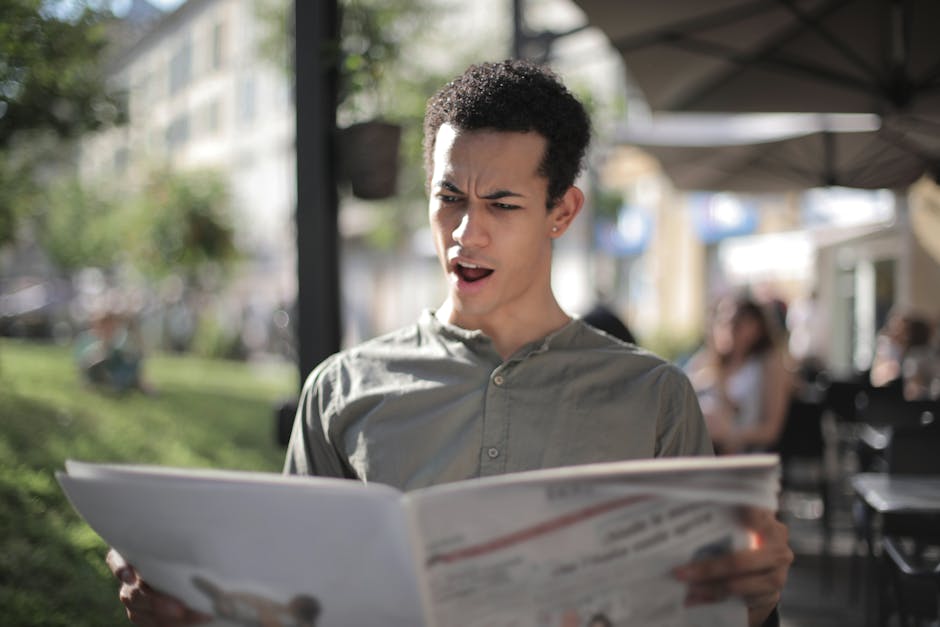
Scandals Are Not a Modern Phenomenon
Political scandals have existed throughout American history.
From controversies involving personal behavior to disputes over policy decisions, past politicians often faced public scrutiny similar to today’s leaders.
However, without modern media, the spread of such stories was slower and often less widespread.
The Role of Family in Political Life
Family has always played an important role in politics.
Political Dynasties
Some families produced multiple generations of politicians, creating lasting influence over time.
Support Systems
Spouses and relatives often played behind-the-scenes roles, offering advice and support that shaped major decisions.
Changing Public Expectations Over Time
The way people view politicians has evolved significantly.
From Elite Figures to Public Servants
Early politicians were often seen as elite figures, while modern leaders are expected to be more relatable and accessible.
Increased Transparency
Today’s leaders face constant public scrutiny, while earlier politicians operated with greater privacy.
Legacy Beyond Office
The impact of past politicians often extends far beyond their time in office.
Shaping Institutions
Many helped establish systems and traditions that continue to define American governance.
Influencing Future Generations
Their decisions and leadership styles continue to influence modern political thought and practice.
Conclusion
American political history is filled with surprising and lesser-known stories that reveal the human side of leadership. From unusual habits and personal struggles to intense rivalries and unexpected friendships, past politicians were far more complex than their public images suggest.
Understanding these hidden aspects not only makes history more engaging but also provides valuable insight into how leadership has evolved over time.
Related reading: New Year’s Fashion Spotlight: The Biggest Shows, Parties, and Celebrity Style Moments | Why Customer Engagement Is Becoming a Key Strategy in the Modern Economy