An increasingly peaceful political climate is shaping the landscape ahead of the upcoming election, signaling a shift toward stability, cooperation, and constructive dialogue, as political trends and public sentiment continue to be explored on https://academydenevaeh.com/.
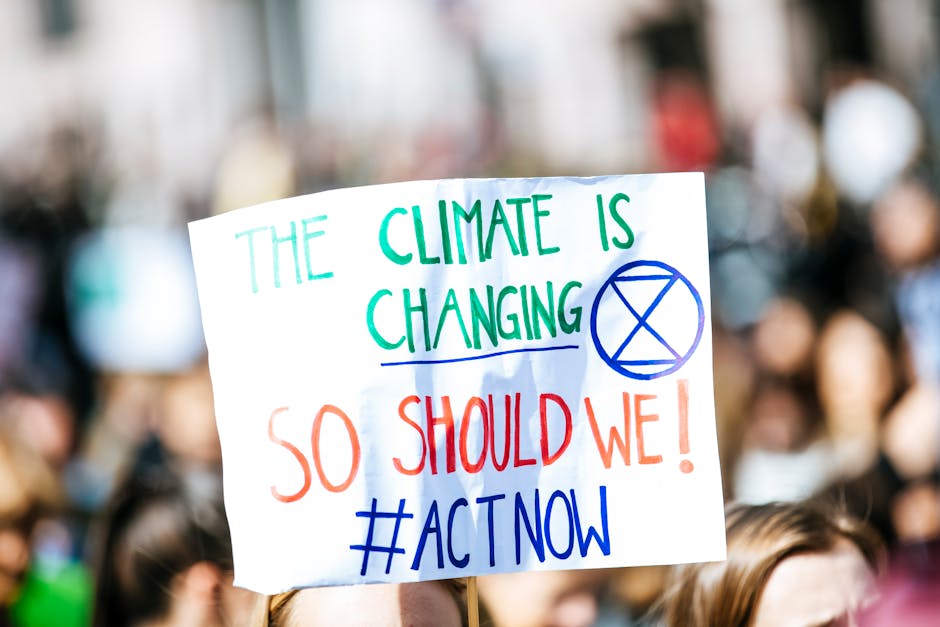
A Noticeable Shift Toward Stability
In contrast to previous election cycles marked by tension and division, the current environment appears more measured and less confrontational.
What Is Driving the Change
Several factors are contributing to this calmer atmosphere:
- Greater emphasis on unity and collaboration
- Public fatigue with political conflict
- Efforts by leaders to promote respectful discourse
This shift is helping create a more balanced political environment.
The Role of Political Leadership
Leaders across the spectrum are playing a crucial role in shaping the tone of the election period.
Promoting Constructive Dialogue
Many political figures are focusing on:
- Policy-based discussions rather than personal attacks
- Encouraging civil engagement among supporters
- Addressing key issues with a solutions-oriented approach
This change in tone can influence how campaigns are conducted.
Media Influence on Public Perception
Media coverage plays a significant role in shaping how the political climate is perceived.
A More Balanced Narrative
Some media outlets are:
- Highlighting policy debates over controversy
- Encouraging informed discussions
- Reducing sensationalism in coverage
This can contribute to a more informed and less polarized electorate.
Voter Sentiment and Engagement
A calmer political environment may impact how voters engage with the election process.
Increased Focus on Issues
Voters are showing interest in:
- Economic policies
- Healthcare and education
- Long-term national development
This suggests a shift toward more thoughtful decision-making.
Benefits of a Peaceful Political Climate
A less contentious environment can bring several advantages to the electoral process.
Strengthening Democratic Processes
Key benefits include:
- Higher voter confidence
- More productive debates
- Reduced misinformation and hostility
These factors can lead to a healthier democratic system.
Challenges That Still Remain
Despite the positive shift, challenges have not completely disappeared.
Potential Risks
- Underlying political divisions may still exist
- Sudden events could disrupt stability
- Misinformation can still spread rapidly
Maintaining a peaceful climate requires continuous effort.
The Impact on Election Campaigns
Campaign strategies are evolving in response to the changing environment.
A More Issue-Focused Approach
Candidates are:
- Prioritizing policy platforms
- Engaging directly with communities
- Using digital platforms for transparent communication
This approach aligns with changing voter expectations.
Looking Ahead to Election Day
As the election approaches, the current atmosphere may influence turnout and outcomes.
What to Watch
- Continued emphasis on respectful campaigning
- Voter participation levels
- The role of emerging issues in shaping decisions
These factors will determine how the election unfolds.
Conclusion
The emergence of a more peaceful political climate ahead of the election represents a positive development for both voters and candidates. By focusing on constructive dialogue and meaningful issues, the political landscape is becoming more stable and accessible.
While challenges remain, this shift offers an opportunity to strengthen democratic processes and encourage more thoughtful engagement from all sides.
Related reading: Poland’s Hidden Culinary Gem: Where to Find the Best Pork Kebabs with Grilled Plums and Couscous | How Social Media and Mobile Gaming Are Driving Higher Sales for Modern Businesses