This Content Is Only For Subscribers
The year 2026 marked a major leap forward in wearable technology and smart gadgets, with innovations that pushed the boundaries of convenience, health tracking, and connectivity. From advanced smartwatches to futuristic augmented reality devices, these technologies didn’t just improve daily routines—they transformed how people interact with the digital world. For more tech trends and innovation insights, visit https://academydenevaeh.com/.
A Breakthrough Year for Wearable Technology
Wearable tech in 2026 evolved beyond simple fitness tracking. Devices became smarter, more accurate, and deeply integrated into users’ lifestyles.
Consumers were no longer just counting steps—they were monitoring heart health, sleep quality, stress levels, and even blood oxygen saturation. This shift positioned wearables as essential health and wellness tools.
Smartwatches Lead the Innovation Wave
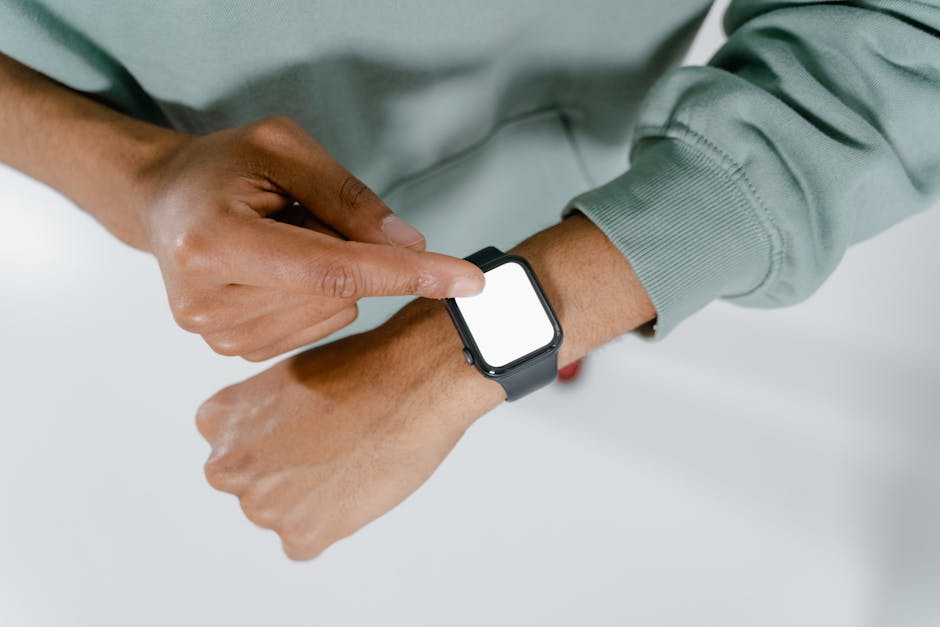
Smartwatches remained at the forefront of wearable technology, offering a combination of style, functionality, and powerful features.
Advanced Health Monitoring
Devices introduced new capabilities such as:
- ECG (electrocardiogram) tracking
- Blood oxygen (SpO2) measurement
- Improved heart rate monitoring
These features allowed users to gain deeper insights into their overall health.
Seamless Connectivity
Smartwatches became more independent, with some models offering:
- Built-in cellular connectivity
- Voice assistant integration
- App ecosystems for productivity and entertainment
This reduced reliance on smartphones and enhanced convenience.
Fitness Trackers Get Smarter
Fitness trackers also saw significant upgrades in 2026, becoming more precise and versatile.
Personalized Fitness Insights
Modern trackers provided:
- Customized workout recommendations
- Real-time performance tracking
- Recovery and readiness scores
This helped users optimize their fitness routines.
Sleeker Designs
Manufacturers focused on making devices lighter, more comfortable, and visually appealing, encouraging all-day wear.
Wireless Earbuds and Audio Innovation
Wireless earbuds became smarter and more feature-rich.
Noise Cancellation and Sound Quality
Active noise cancellation (ANC) technology improved significantly, offering immersive listening experiences even in noisy environments.
Smart Features
Earbuds began incorporating:
- Voice assistant controls
- Touch gestures
- Health-related features like posture reminders
These additions made them more than just audio devices.
Smart Glasses and Augmented Reality
2026 saw growing interest in smart glasses and AR technology.
Blending Digital and Physical Worlds
Smart glasses introduced features such as:
- Heads-up notifications
- Camera integration
- Audio playback
Although still evolving, these devices hinted at a future where digital information is seamlessly overlaid onto the real world.
Smart Rings and Minimalist Wearables
A new category of wearable tech gained attention: smart rings.
Compact Yet Powerful
Despite their small size, smart rings offered:
- Sleep tracking
- Activity monitoring
- Heart rate analysis
They appealed to users looking for discreet and lightweight alternatives to traditional wearables.
Health-Focused Innovation Takes Center Stage
Health became a central theme in wearable technology.
Remote Health Monitoring
Wearables enabled users to share health data with medical professionals, supporting remote consultations and early detection of potential issues.
Mental Wellness Features
Stress tracking, guided breathing exercises, and mindfulness tools became standard features, reflecting growing awareness of mental health.
Smart Home Integration
Wearable devices began integrating more deeply with smart home ecosystems.
Controlling Your Environment
Users could:
- Adjust lighting
- Control thermostats
- Manage security systems
—all directly from their wearable devices.
Creating Connected Experiences
This integration created a more seamless and automated lifestyle, where devices worked together intelligently.
Challenges and Limitations
Despite rapid progress, wearable tech still faced certain challenges.
Battery Life Constraints
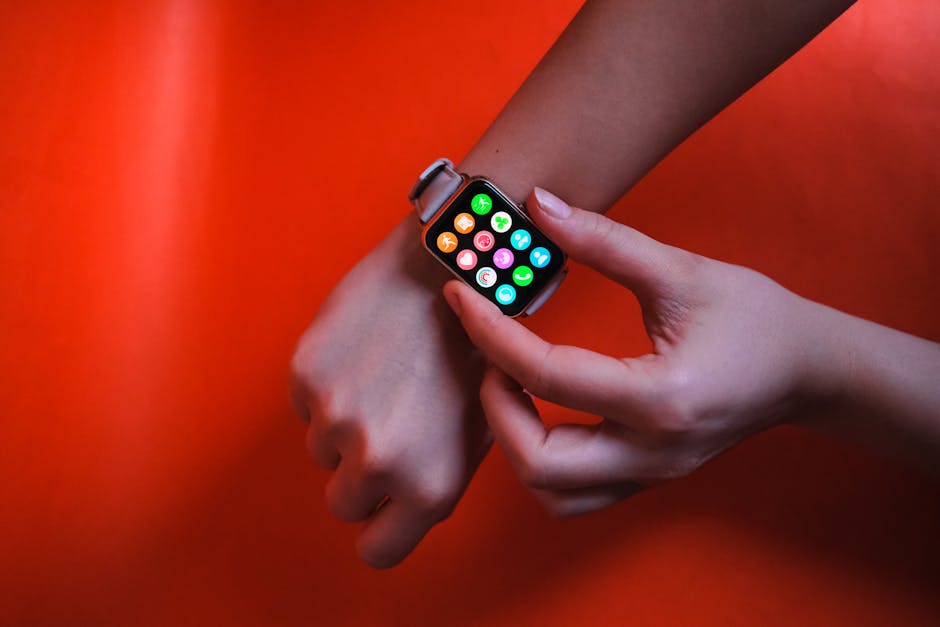
Advanced features often required more power, making battery life a key concern for users.
Privacy and Data Security
With sensitive health data being collected, ensuring privacy and security became increasingly important.
The Lasting Impact of 2026 Innovations
The advancements seen in 2026 laid the groundwork for future developments in wearable technology.
Accelerating Adoption
More consumers began embracing wearables as essential tools, not just accessories.
Driving Future Innovation
The focus on health, connectivity, and convenience continues to shape the direction of the industry.
Conclusion
The hottest wearable tech and smart gadgets of 2026 demonstrated how far technology has come in enhancing everyday life. From health-focused smartwatches to futuristic smart glasses, these innovations have redefined what it means to stay connected and informed.
As the industry continues to evolve, wearable technology is set to become even more integrated, intelligent, and indispensable in the years ahead.
Related reading: Burberry Becomes First Fashion Brand to Launch Its Own Apple Music Channel | New $10 Million Program Aims to Boost Minority-Owned Businesses in Detroit